Apologies for another long break, but I thought I’d sneak
in an entry for Christmas. Earlier in this blog I mentioned how I ended up
with so much research material it was impossible to include it all. I had
literally hundreds of pages of notes; I could have written a non-fiction book.
So I thought I’d survey some of the things I toyed with including in The Madagaskar Plan but I JUST COULDN’T
FIT IN.

The most fascinating aspect of the Madagascar Plan which I
had to omit was its funding. One reason for this was the sheer complexity of it
all, but to summarise: the SS planned to finance the Jewish deportation by
seizing their assets and investing them in a new intra-European bank overseen
by Göring. This bank would pay for the Jews’ transportation costs from Europe to
Africa as well as investing in the basic infrastructure needed on the island to
cope with such a large influx of numbers. The resettlement would therefore be
self-funding with the top Nazis creaming off a levy on all transactions. After
the Jews were settled, the bank would take on a new role as the economic
intermediary between the island and the rest of the world. Jews would be
allowed to run small farms and businesses on the island but not trade directly.
Thus ‘Jewish financial contagion’, as the Nazis saw it, would never again
threaten the global economy.
Zionism
Zionism was an ever present difficulty to me as I
worked on the book. It would be impossible to write something about the
Madagascar Plan, let alone a Jewish uprising on the island, without broaching
the subject. Yet every time I looked at Zionism it seemed too big, too unwieldy
to fit in. Nevertheless I didn’t want to leave myself vulnerable to accusations
of overlooking it or, worse, being ignorant about it. My solution was a
compromise. It’s mentioned a few times – with an extended paragraph in Chapter
24 – but in my world it is not significant to the plot or characters.
Plan Z
This was a plan approved by Hitler in 1939 to build
a huge surface fleet for the Reich, one that would eventually challenge British
naval supremacy. It was intended as a decade long expansion centred on a dozen
battleships, four aircraft carriers and various strategic ports around the
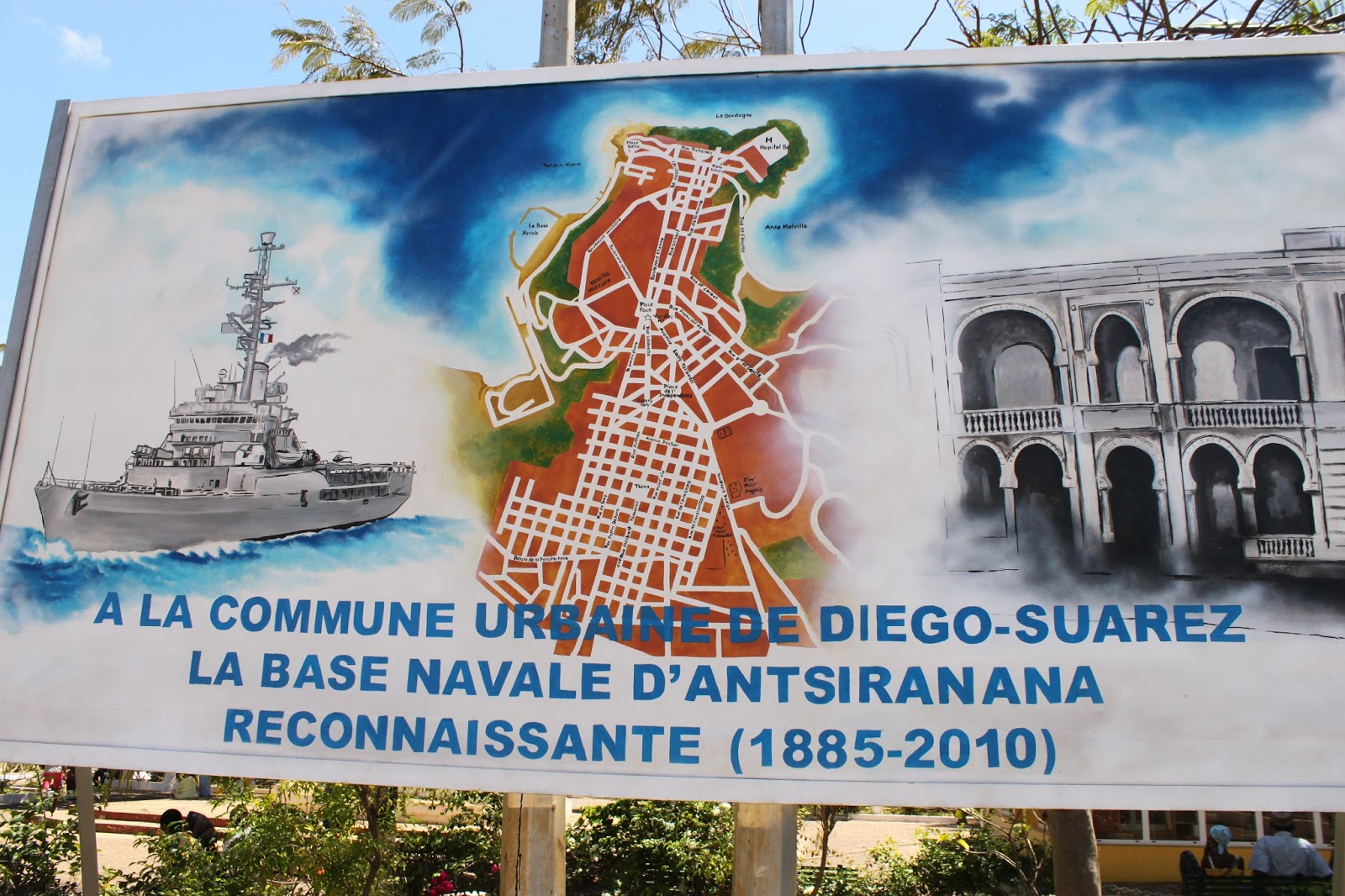
globe, including Konakry, Walfisch Bucht and Diego Suarez in Africa. The
beginning of World War 2 meant it was never properly implemented. Because of
the significance of Diego to the plot of The
Madagaskar Plan, Plan Z was mentioned in the early drafts of the book but
later cut to make things leaner.
 |
| One of the Nazis' unbuilt aircraft carriers, in scale to their existing largest ship (with green keel) |
Heydrich’s Jewish heritage
As staggering as this sounds, Heydrich, effectively
the Number Two of the SS, had a Jewish (or at least partly Jewish) father. This
is not conjecture or gossip but documented fact. It actually appeared in the
early drafts of the book and was a minor subplot – but eventually I removed it
as I felt it complicated the narrative unnecessarily. I may resurrect it in
Book 3.
Globus’s Lariam allergy
In the 1950s, the best defence against malaria was
Lariam. Nazis operating in the tropics and other malarial areas (such as parts
of southern Russia), routinely took it. In my research on Globocnik I
discovered he had taken it and was allergic to it, causing bouts of sickness, depression,
paranoia and nightmares. In the first couple of drafts. Globus was forced to
take Lariam before visiting the mosquito-hive that is Antzu, leading to an
adverse effect on his mental state in the final quarter of the book. In the end,
I decided he was already sufficiently unhinged not to need this further
complication.
Odin as Santa Claus
Finally, and fittingly for this time of year, in
Chapter 4 Hochburg drives through a Stanleystadt still decked for Christmas. I
managed to squeeze in the Nazis’ plans for ‘Julfest’
but one detail I didn’t have room for was that they intended to do away with
Santa Claus and replace him with Odin, ruler of the Norse gods. He would still
have a flowing white beard but his robes would no longer be Coca-Cola red but
swastika scarlet. Who knows what they had in mind for Rudolph...

*
There was one other thing that didn’t make the
published edition of the book. It was by far and away the most substantial
omission and deserves an entry of its own, which leads me to the final blog of
this A to Z. I’ll post it in the New Year: L is for...